REWILDING TRADITIONAL KNOWLEDGE IN JAGUAR LANDSCAPE
“Reconstructing traditional knowledge in the jaguar landscape”
Throughout the Chaco and Chiquitanía region, there is an accelerated process of cultural loss and loss of traditional values associated with the jaguar figure. This loss is especially noticeable and frequent among children and young people, who come to disregard traditional values and the knowledge of the elderly people in the communities.
Additionally, jaguars come into conflict with Indigenous communities due to attacks on their property or livelihoods, whether cattle or small livestock. Therefore, hunting intent is high and often leads to the jaguar's death (retaliation). A preliminary step was to identify communities with a strong foundation in traditional knowledge and a high jaguar population throughout the region.
In this sense, emphasis is placed on the jaguar, considering the importance of the species for the stability of ecosystems that provide environmental functions, and because it is the wild animal to which different cultures often refer.
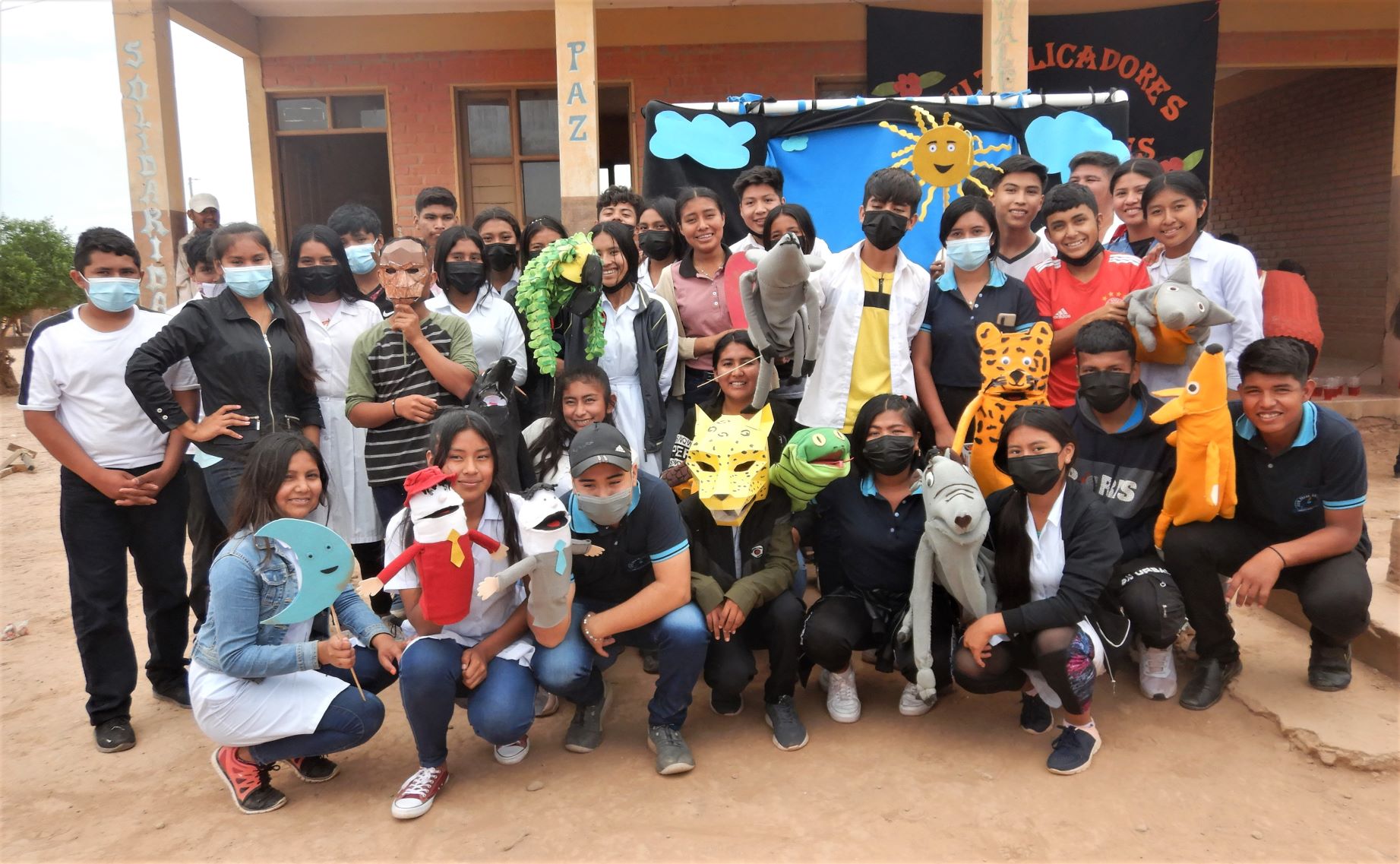
The present project sought to concentrate actions on inventorying and rescuing ancestral knowledge regarding the jaguar (myths, stories, narratives, songs), considering the inclusion of gender essential by calling on young and elderly women from the communities to be part of the teams for the documentation of traditional knowledge, for a subsequent work of systematizing the information, and dissemination through awareness actions for children and adolescents through Environmental Multipliers.
In that context, the initiative begins the process in indigenous Guarani communities of the territory of the TCO Isoso (Alto Isoso and Bajo Isoso) of the Chaco region and buffer area of the Kaa-Iya National Park and ANMI of the Gran Chaco.
In the medium and long term, larger-scale awareness-raising activities are planned (in other areas, towns, and neighboring communities), along with the production of videos, the publication of results, and their widespread dissemination through digital media to promote a change in attitude toward the jaguar. Furthermore, the potential replication of the experience in other areas or regions with indigenous communities and a jaguar presence is being considered.
Based on the principle of knowledge exchange, it is proposed that scientific knowledge should be used to convey the importance of the jaguar's role in maintaining the balance of the jungle and that its disappearance can cause disruptions in the presence of biodiversity resources.
The objective of these actions is primarily to recover the local vision of the jaguar as a magical, sacred animal, guardian of the jungle, and an essential part of indigenous culture, all aimed at generating changes in attitude and a better coexistence with the jaguar.
Within the framework of the project, a booklet was developed with the aim of transmitting, preserving and prolonging over time through writing the memories of the wise men and women of Isoso, and their knowledge about the meaning of the representation of wildlife characters in the Tales, Myths and Legends of their territory, in order to reduce at a local level the myth of the ferocity of the jaguar and its supposed propensity to attack human beings, as well as information about its importance and benefits in the balance of ecosystems.
The training, awareness-raising, and participatory research experiences developed in the Operation Jaguar project (and other SAVIA interventions) are absolutely valid and valuable for undertaking a project with a rewildering approach and for generating a baseline. Both initiatives were supported by IUCN_NL.
See: https://www.iucn.nl/en/project/rewilding-traditional-knowledge-in-jaguar-landscapes/