
The ICCAs or Territories of Life They are a source of food, medicine, water and many other subsistence needs of the communities; their essence is based on the protection, management and governance of these territories linked to local traditional knowledge, despite the difficulties and obstacles they face in the face of prevailing development models.
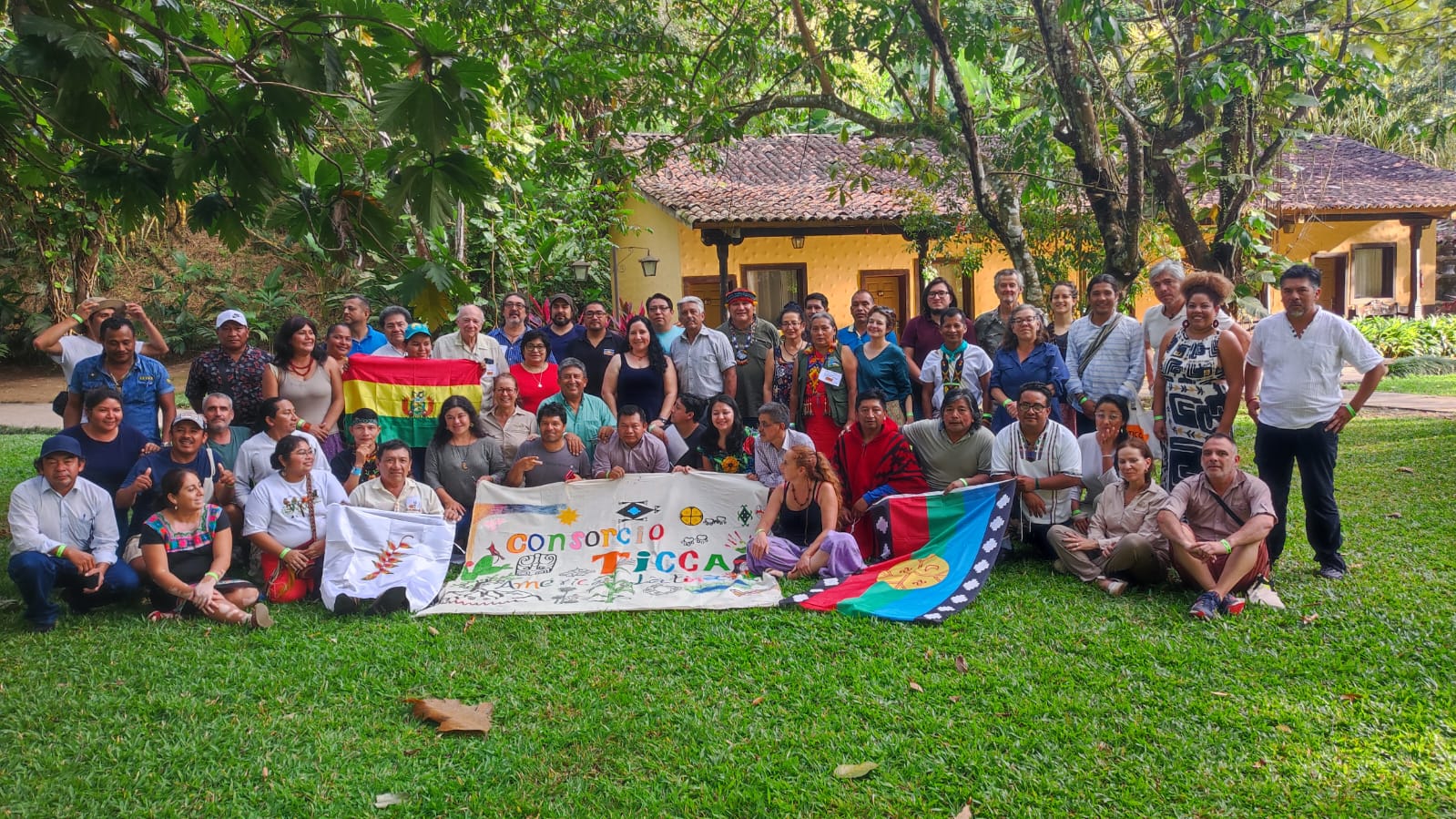
In Costa Rica, from January 25th to 27th, the III Regional Assembly of the ICCA Latin America Network, where representatives of indigenous territories and local communities from 14 countries met to strengthen the Latin American ICCA Network, with the vision of guaranteeing the defense of their territories of life, their rights, autonomies and self-determination of the peoples of Latin America.
During the event, the 62 representatives from Bolivia, Colombia, Brazil, Ecuador, Peru, Argentina, Paraguay, Chile, Mexico, Guatemala, El Salvador, Costa Rica, Nicaragua, and Panama discussed several problems facing their territories. Some of them reported severe threats such as the construction of mega hydroelectric dams, deforestation, mining, forest fires, and other risks that degrade their ecosystems. From this perspective, the participants analyzed the impacts of uncontrolled or poorly managed development on environmental sustainability, which disrupts ecosystem stability, generates high levels of pollution, and threatens the quality of life of local communities and Indigenous peoples.

Savia, as a Member of ICCA Bolivia and Regional Coordinator for the Amazonian countries, was present represented by Carmen Miranda and Mariely Negrette, accompanied by Benito Aguilar (Central de Comunidades Indígenas Chiquitos TURUBÓ), Anacleto Peña (Central Indígena de Comunidades Originaria de Lomerío CICOL), Camila Nay Vargas (Mancomunidad de Comunidades de los ríos Tuichi, Beni y QUIQUIBEY) and Mónica Guzmán (Grupo Quereimbas en territorio guaraní), representatives of Bolivia who shared their local realities within the framework of the ICCA Congress, expressing concerns, highlighting emerging needs and worries for their territories of life at risk, seeking joint and synergistic solutions. “It was an important opportunity for Bolivian representatives to express the reality that territories in Bolivia are suffering, territories that are ”hanging by a thread’, mainly due to the expansion of the agricultural frontier, extensive livestock farming, forest fires and land grabs,”, Carmen Miranda, Executive President of Savia, who was part of the event's Organizing Committee, emphasizes this point.

After learning about regional and subregional problems affecting the Territories of Life, the attendees held exchanges in working groups where they analyzed topics such as the situation of indigenous peoples in Latin America, the role of women in communal decision-making, the local economy and the preservation of their territories; as well as the participation of young people and their training as leaders with traditional values.
This forum also addressed topics such as the integration of new members, the Global Biodiversity Framework (COP-15), climate change, and international politics, among others. The meeting included field visits to learn about local ICCA experiences, coordinated by the ICCA Consortium and with logistical support from CoopeSoliDar RL. After presenting progress and shared projections, the goal is to establish or solidify alliances that strengthen global initiatives in defense of ICCAs.

ICCA Consortium Background. The genesis of the ICCA Consortium arose from a movement promoting equity in conservation in the decades around the turn of the millennium. It was officially established in Switzerland in 2010 as an international association under the Swiss Civil Code. It is a member-based civil society organization, supported by a semi-volunteer international secretariat, and has a presence in 22 countries. Currently, it is part of the Territories of Life initiative, grouped within the ICCA network. www.iccaconsortium.org
Mesoamerica subregion: Costa Rica, Guatemala, Honduras, Mexico, Nicaragua, Panama.
Southern Cone subregion: Argentina, Chile, Paraguay.
Amazon subregion: Brazil, Bolivia, Colombia, Ecuador, Peru.
Photos: TICCA Consortium