
OPERATION JAGUAR BOLIVIA
The main objective of Operation Jaguar Project is the conservation of the species Panthera onca, The project focuses on major threats, particularly habitat loss, poaching, and trafficking of jaguar parts. Operation Jaguar is a joint initiative of the International Union for Conservation of Nature Netherlands (IUCN-NL) in Bolivia, Suriname, and Guyana. In Bolivia, the SAVIA Association serves as the project's counterpart.
The goals of Operation Jaguar Project are:
to) To gain a greater understanding of key aspects of the jaguar's status in Bolivia and the dynamics related to its hunting and trafficking.
b) To achieve greater support and empathy towards the jaguar and wildlife from authorities, society in general, and international organizations.
c) Support the strengthening of control systems and the judicial body.
d) To have an impact at the continental and international level, in order to induce or promote more extensive and forceful joint efforts for the protection of the jaguar and to achieve a tacit reduction of the major threats, especially that of global trafficking.
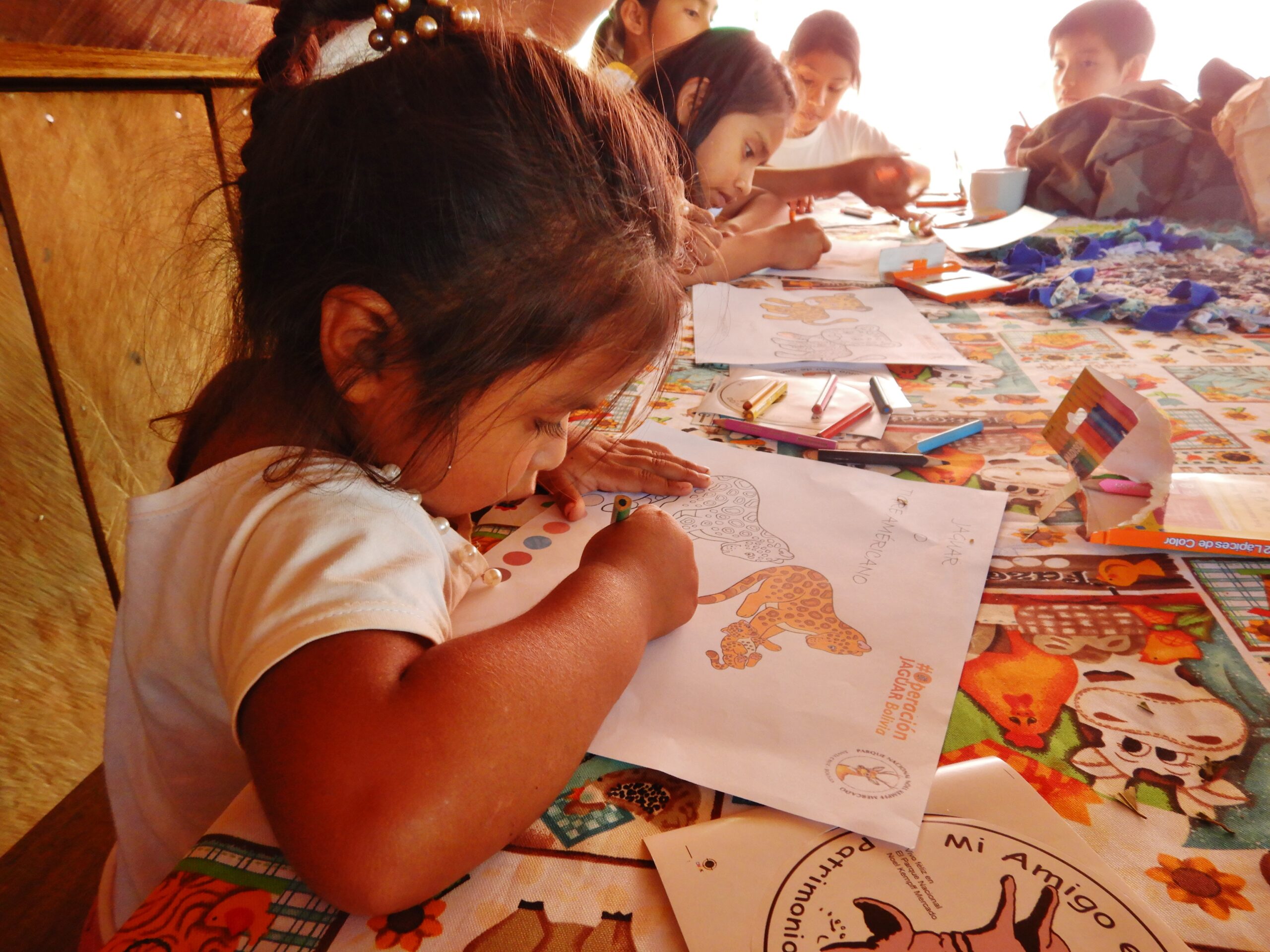
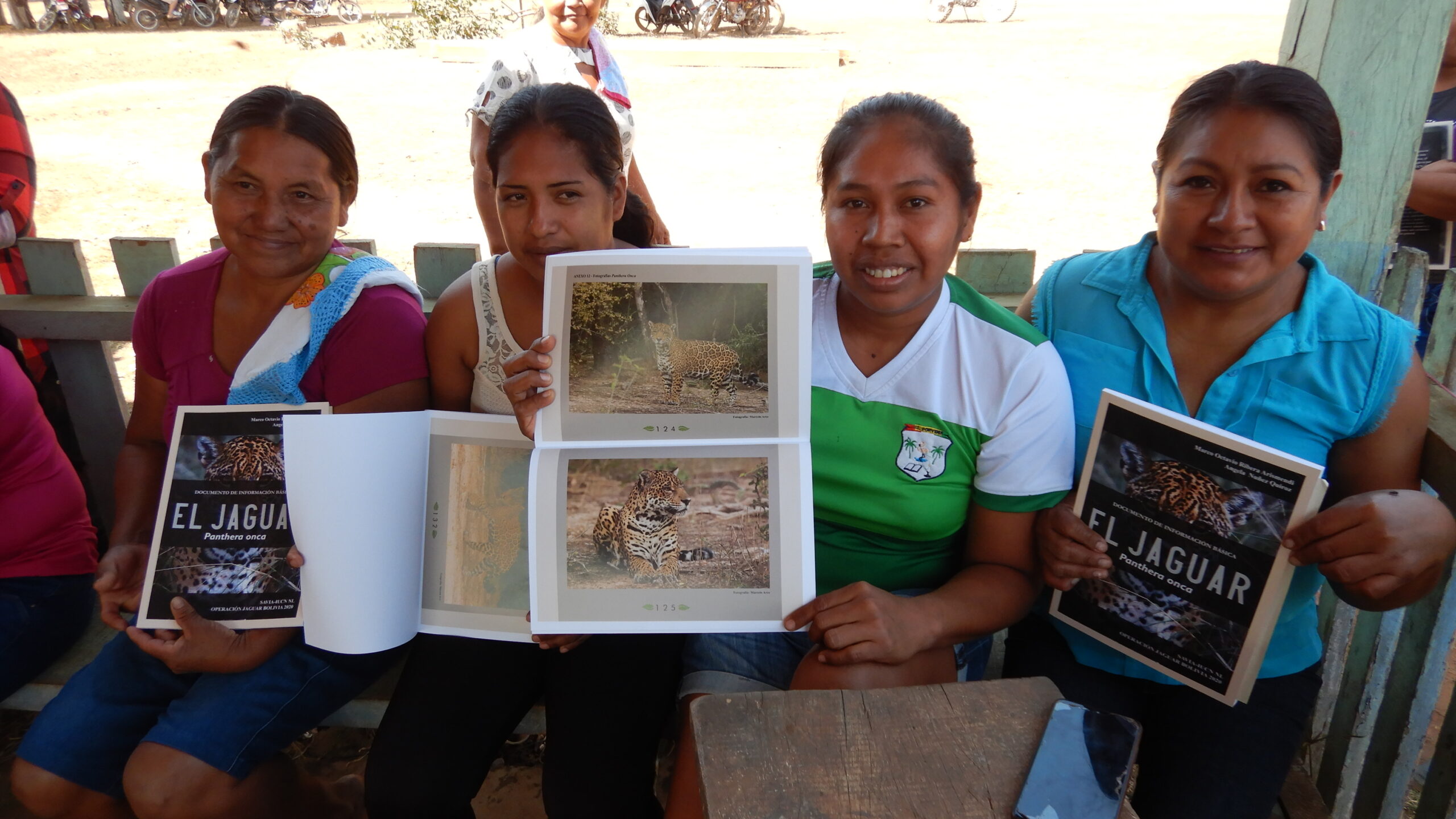
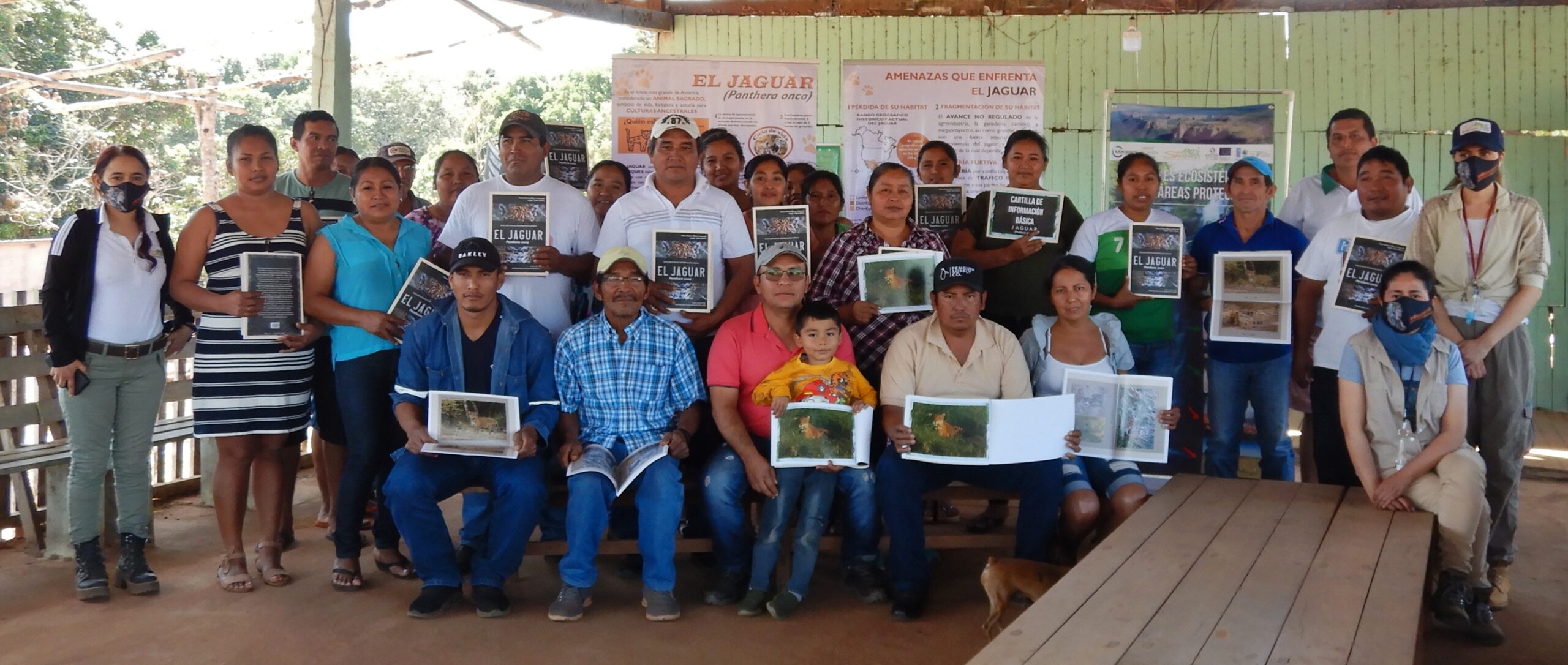
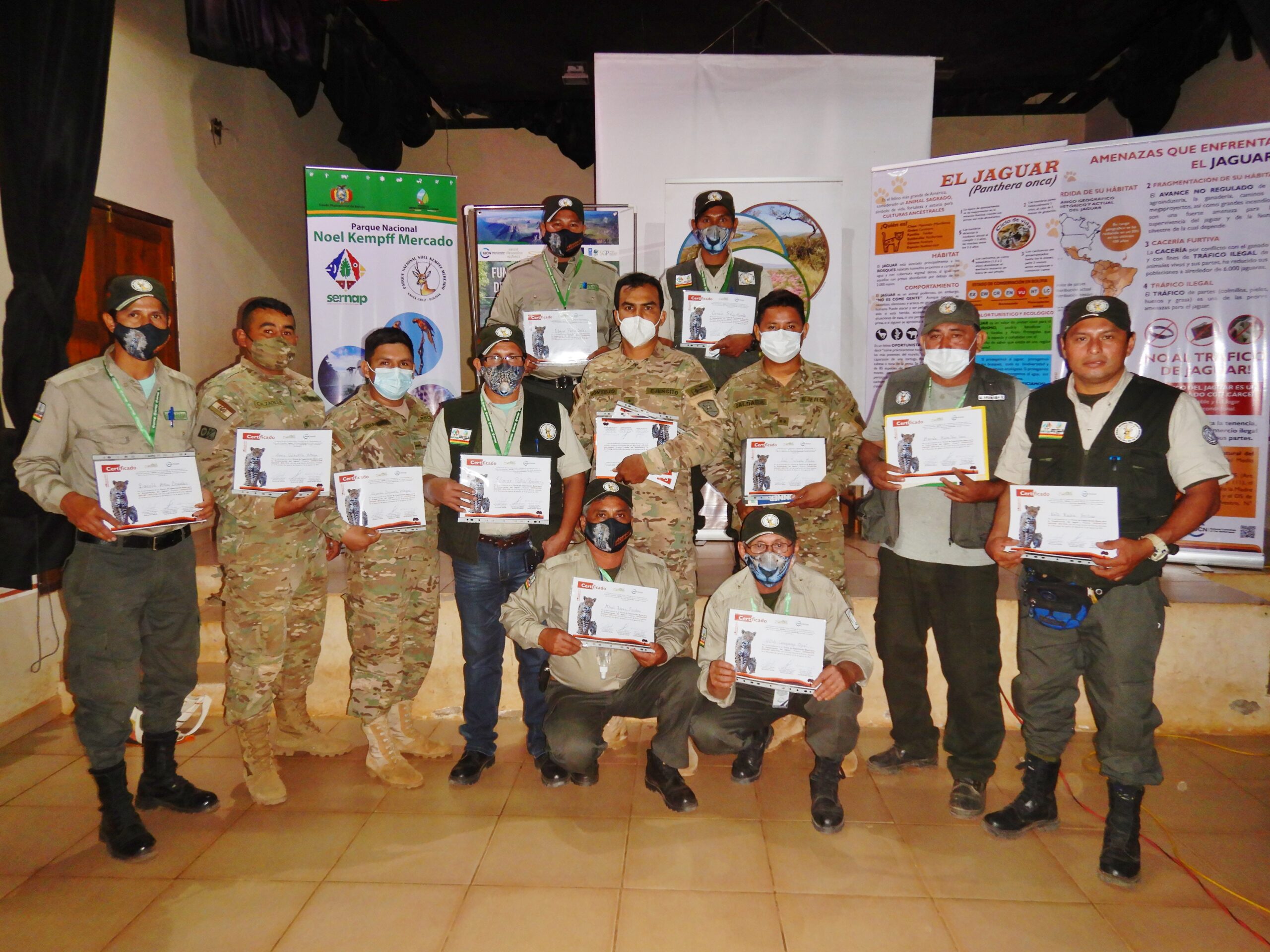
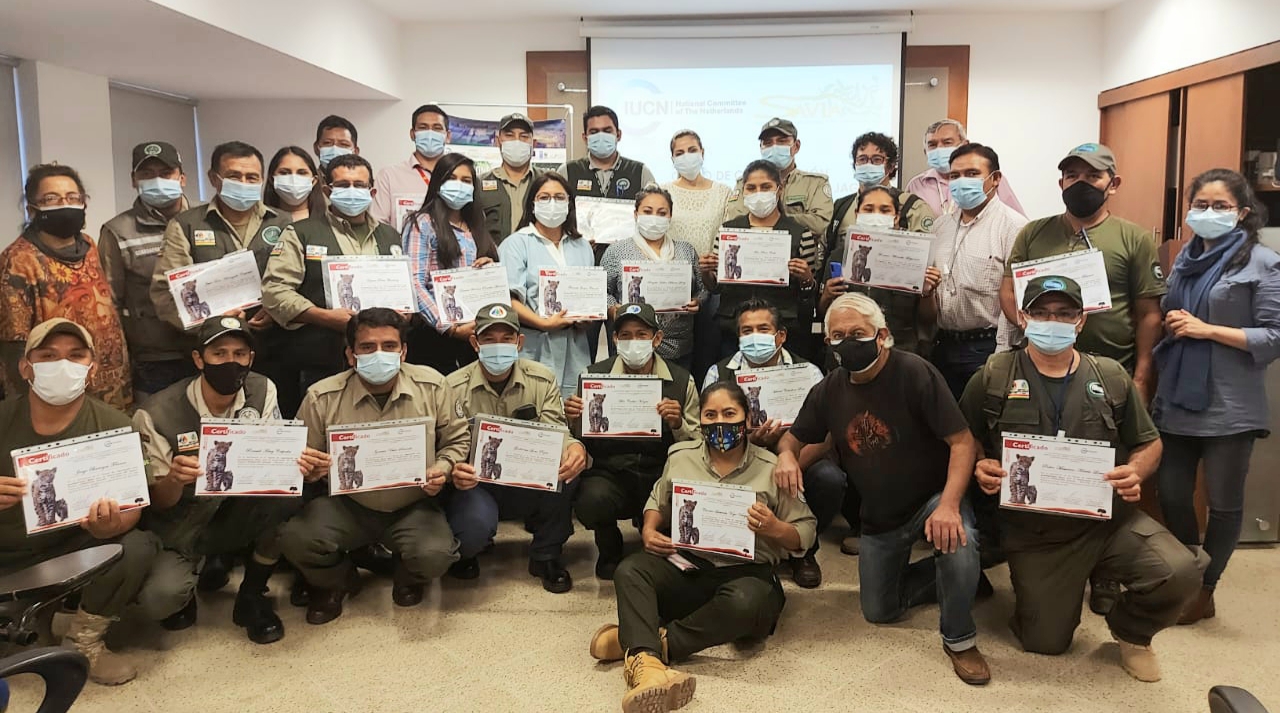
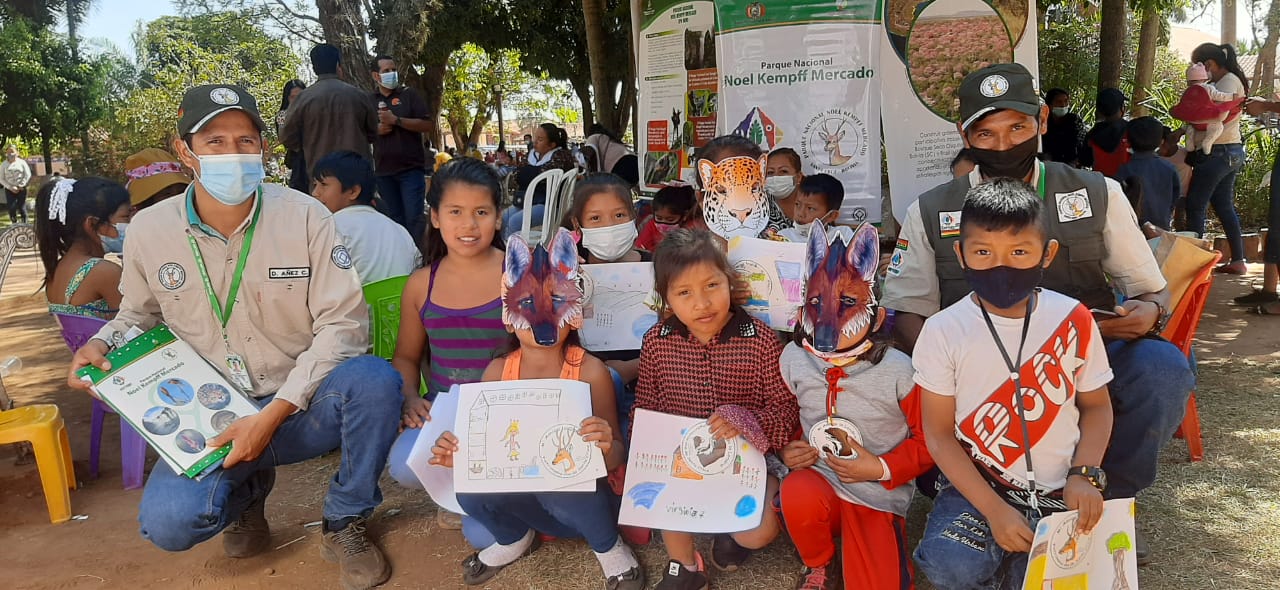
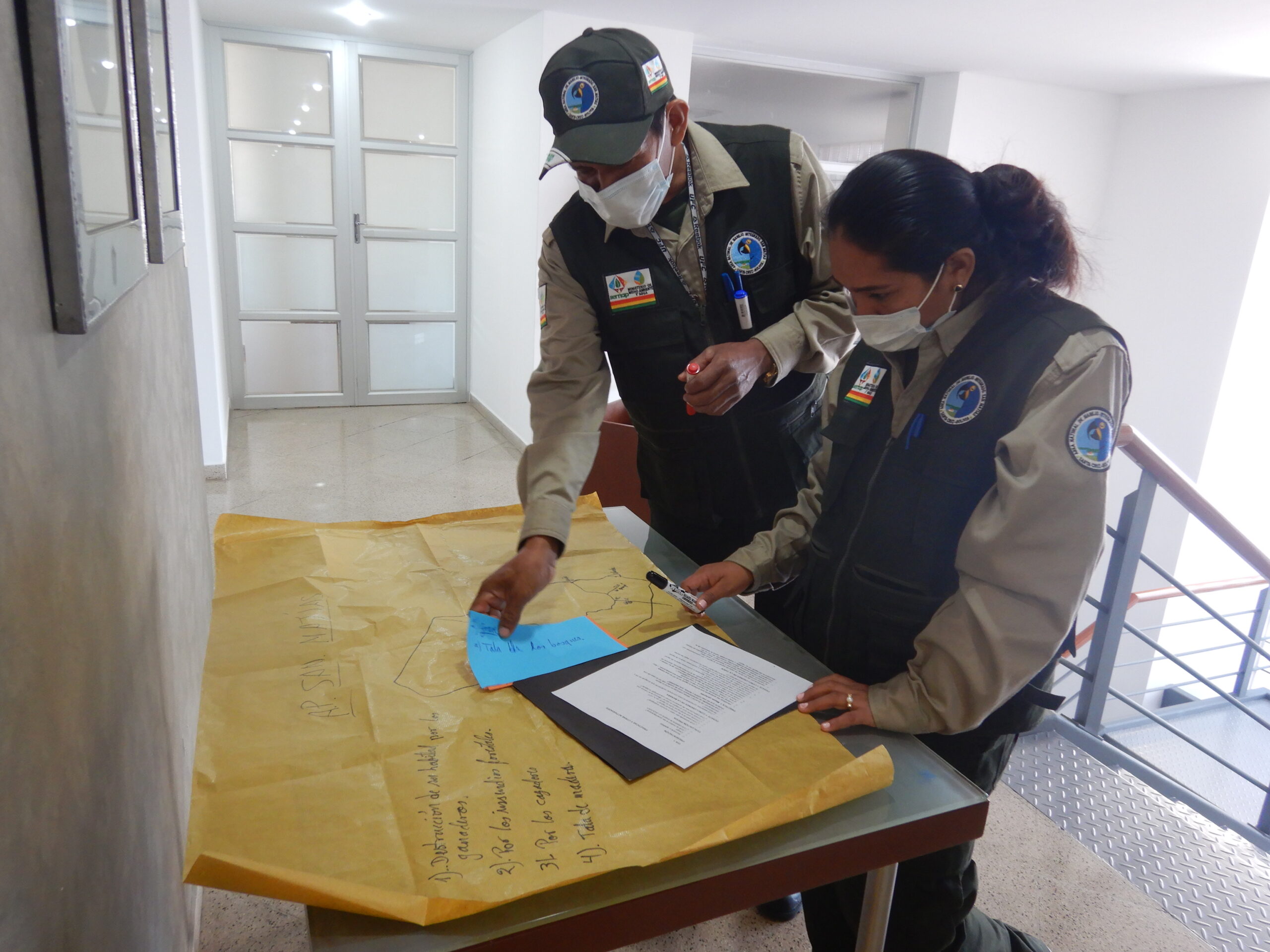
The Project has prioritized training activities focused on the jaguar and wildlife, targeting park rangers in protected areas, officials from the Public Prosecutor's Office and the Judiciary, municipal technicians, and other stakeholders. SAVIA is part of the Jaguar Alliance Network, a coalition of private and academic institutions formed in 2018 with the support of the General Directorate of Biodiversity and Protected Areas (DGBAP), to support the actions of this official body in favor of jaguar and biodiversity protection. Environmental education and awareness-raising activities aimed at adults, youth, and children in communities within the areas surrounding protected areas have been particularly important.
Facebook page: Operation Jaguar Bolivia



PROGRAMA GLA II GREEN LIVELIHOODS ALLIANCE
The GLA II (Green Livelihoods Alliance) Program promotes inclusive and sustainable management of the territories of Indigenous Peoples and Local Communities (IPLCs) and Protected Area Management Committees in the greater Chiquitanía-Chaco, Pantanal, and Southern Amazon regions. It optimizes actions to ensure that Indigenous territories, protected areas, and municipalities participate in processes of effective protection, sustainable governance, forest management, and the preservation of their livelihoods. GLA II aims to encourage governments to develop and implement policies that respect forests, human rights, the rights of IPLCs and women, and to empower stakeholders to defend their territories.
It is projected that the PICLs will participate in inclusive decision-making processes regarding the development model and policies that affect ecosystems and the rights of peoples and communities, and, together with the Management Committees and protected areas, favorably position demands for local governments to recognize and support the sustainable management of their territory, jointly monitoring extractive activities that affect the region; in addition, they will assert their constitutional rights related to access, use and protection of their territories and livelihoods.
GLA II promotes the recognition of PICLs by international bodies as protectors of forests and the global climate, and that networks of civil society organizations, embassies and international bodies respond quickly to human rights and environmental emergencies in Bolivia.
Desde el año 2018, la Asociación para la Conservación, Investigación de la Biodiversidad y el Desarrollo Sostenible – SAVIA, viene implementando acciones que promueven e impulsan los objetivos propuestos en el marco del Programa GLA II, trabajando con actores locales, como autoridades y lideresas, llevando adelante procesos que aportan a reducir los impactos a la biodiversidad y al bien común de los pueblos indígenas.


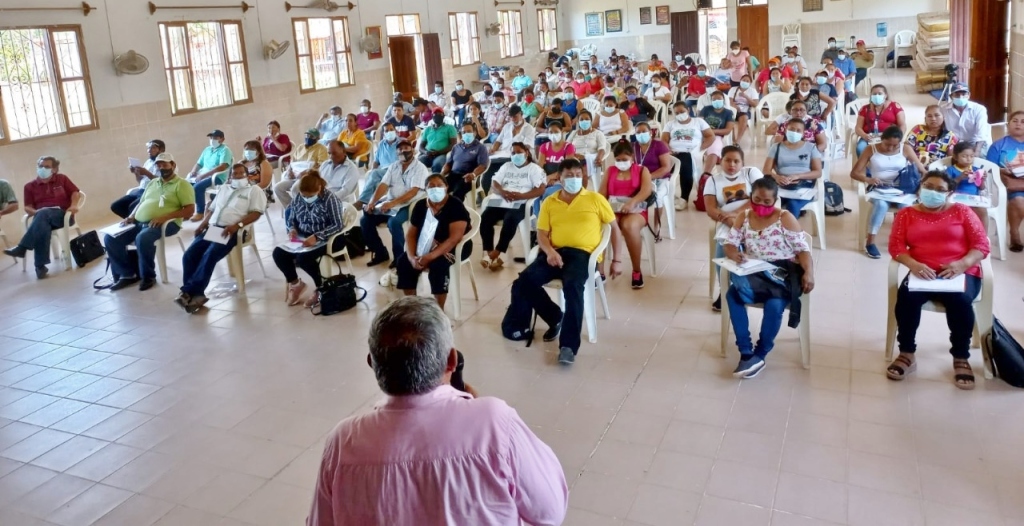
ICCAs are “Territories of Life”, governed and managed by traditional peoples and communities, who have lived in them for centuries.
They are a source of food, medicine, water, and many other necessities for the community's livelihood, as well as for its health, thriving environments, and sacred sites. They are also a source of identity, affection, and empathy toward the environment and culture, as well as autonomy and freedom. They embody the bonds between generations, allowing for the preservation of past knowledge and experiences and connecting them to the desired future.
ICCAs in Latin America and the Caribbean manage and protect ecosystems and biodiversity in their traditional territories, despite all the difficulties and obstacles they face from prevailing development models. ICCAs protect the majority of Latin America and the Caribbean's natural heritage.
Savia has been part of the TICCA consortium for several years and has participated in its events and numerous activities, making substantial contributions to enriching the concept and mission. Following Through the ICCA guidelines and other complementary processes, Savia has strengthened the capacities of key stakeholders at the local level and facilitated meetings between Indigenous representatives and local authorities on protected area management committees, with the aim of promoting territorial environmental governance. The participation and empowerment of women leaders in conservation and the defense of protected areas has also been promoted.
Currently, Savia is the body responsible for monitoring and evaluating the implementation of projects that maintain the ICCA component, which were approved around national protected areas, within the framework of the United Nations Small Grants Programme call.


